
Motor – Alternator
Testing and Maintenance of Turbogenerators and Hydrogenerators (Maintenance Levels L1, L2, L3, L4)
Static Tests
- Visual inspection (for contamination, etc.)
- Insulation measurement, DAR, PI calculation
- Precise resistance measurement
- High voltage withstand test
- Partial discharge measurement
- Slip ring/commutator leakage measurement, surface inspection, brush and brush holder inspection, spring pressure measurement
- Tandelta/power factor, capacitance, impedance measurement, tip-up test
- Air gap inspection
- Coupling alignment and measurement, coupling adjustment
- Sliding bearing inspection
- Videoscope inspection, Rotor RSO test (for turbogenerator rotors), Rotor impedance measurement (at various voltage levels and speeds)
Dynamic Tests
- Measurement of current, voltage, harmonics, and cosQ
- Vibration analysis and detection of potential issues:
- Bearing and journal faults (inner race, outer race, balls/rollers)
- Imbalance
- Mechanical looseness (cover gap, etc.)
- Frame looseness or weakness
- Coupling misalignment
- Detection of certain electrical faults (air gap, etc.)
- Thermal imaging for heat mapping
- Interpretation of results and recommendations for required actions
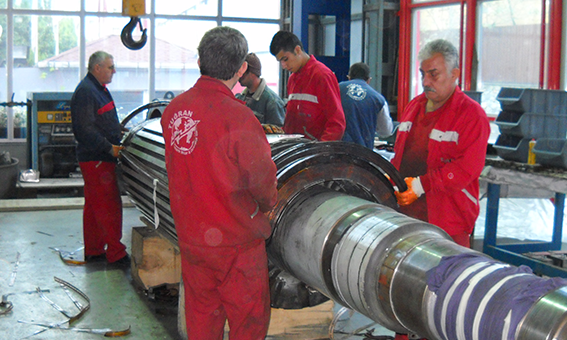
Maintenance of Turbogenerators and Horizontal Hydrogenerators, Geothermal, Wind, and Biogenerators
- Coupling alignment inspection
- Checking jaw and bearing clearances, dismantling of coupling, cover (and pedestal if present), and bearings
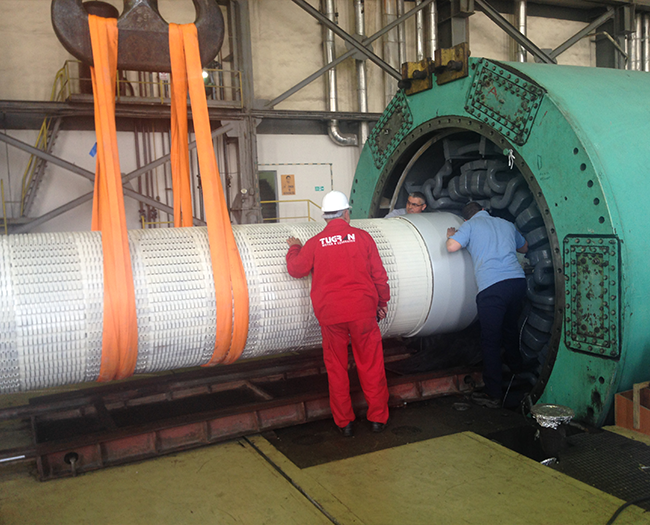
- Removal of rotor
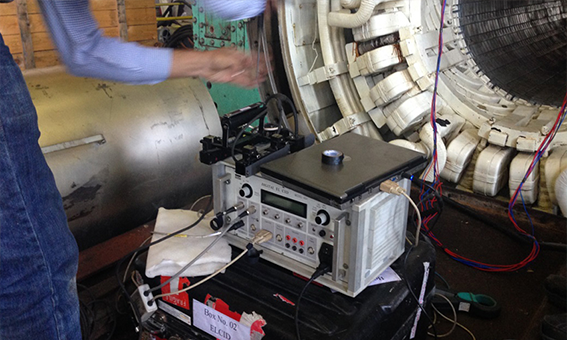
- Core testing of stator (Ring Flux Test or using ELCID device), checking core tightness and bolt looseness
- Inspection and tightening of stator wedges (Wedge Tightness Test or hammer method)
- Inspection of bandages and wedges at winding heads, performing bump (impact) tests on winding ends if looseness is detected
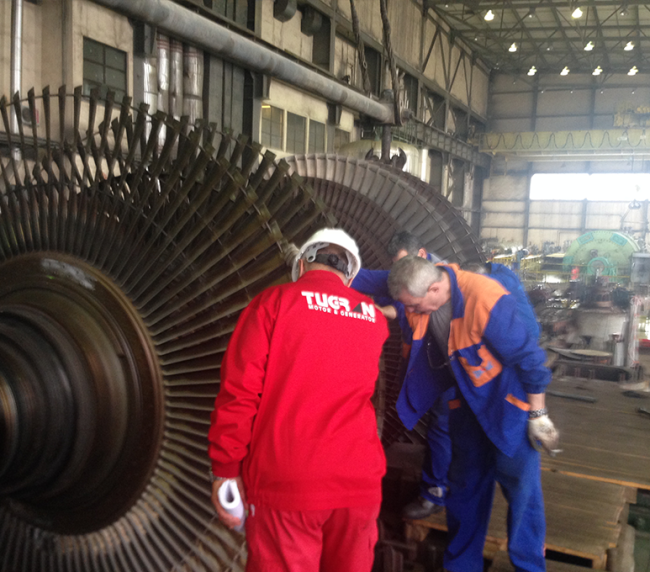
- NDT testing (on fan blades, retaining rings, bearing white metals, bearing seats)
- In turbogenerators, removal of end retaining rings, cleaning rotor windings, replacing insulation under retaining rings, reinstallation of retaining rings
- Balancing rotors at nominal speeds, performing overspeed tests
- Cleaning and drying of rotor and stator
- Varnishing and drying
- Applying and interpreting static tests on stator and rotor including RSO test
- Installation of rotor into stator
- Mounting bearings according to project-specified clearances
- Measuring bearing insulation
- Coupling alignment
- Commissioning and vibration analysis
Maintenance of Vertical Hydrogenerators
- After draining the water:
- Check shaft seal, vibration, and verticality
- Support the turbine wheel from below, transferring weight onto wedges
- Disassembly of the warning group:
- Removal of coolers and upper guide bearings
- Placement of rotor onto brakes
- Removal of carrier conical parts
- Removal of thrust bearings
- Removal of upper bridge
- Disconnection of coupling links
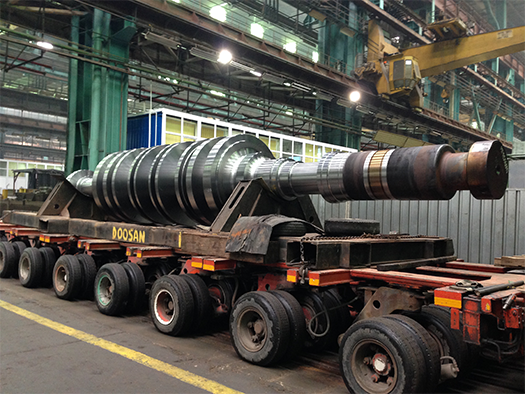
- Extraction of rotor
- Removal of brakes, lower guide bearings
- Removal of lower bridge
- Cleaning of stator and rotor windings
- Stator core testing (Ring Flux Test or using ELCID device), check core tightness and bolts
- Inspection and tightening of stator wedges (Wedge Tightness Test or hammer method)
- Check bandages and wedges at winding heads, perform bump (impact) test if looseness detected
- NDT testing (fan blades, retaining rings, bearing white metals, bearing seats)
- Balancing rotors at nominal speeds, overspeed testing
- Cleaning and drying of rotor and stator
- Varnishing and drying
- Application and interpretation of static tests on stator and rotor including voltage drop test
- Installation of rotor into stator
- Mount bearings with project-specified clearances
- Coupling alignment
- Commissioning and vibration analysis
Winding Manufacturing
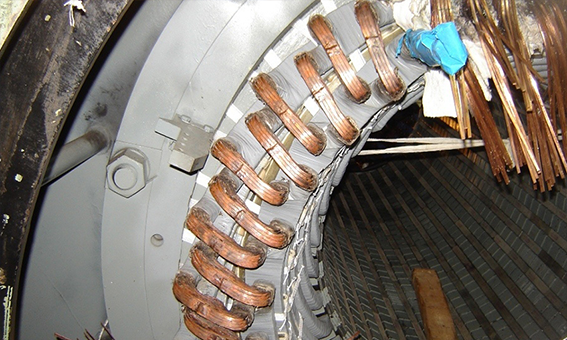
- Removal of old windings
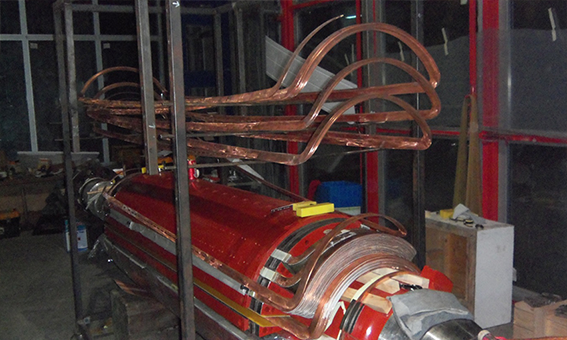
- Manufacturing new windings according to original using reverse engineering
- Manufacturing missing parts using reverse engineering (wedges, etc.)
- Winding the stator according to original design
- Perform all electrical tests, check mechanical dimensions
- Complete drying and varnishing processes
Rotor Winding (Insulation Renewal)
- Removal of fan blades, (if present) rings, and retaining rings
- Removal of wedges
- Non-destructive testing on retaining rings, blades, and shaft
- Removal of existing copper windings
- Cleaning and reshaping the windings
- Cleaning of anchor slots
- Rewinding rotor with new insulation materials
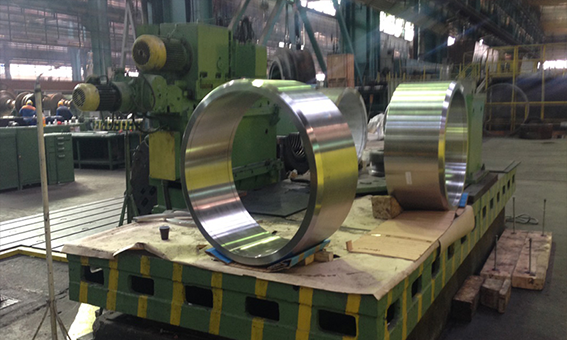
- Reinstallation of retaining rings using new under-keel insulation
- Reinstallation of fan blades (and rings, if any)
- Balancing at high (nominal) speed, overspeed testing
- Electrical measurements (RSO, resistance, insulation, impedance)